Complete Guide to Vaping in Southampton: Shops, Rules & Tips for 2026
Whether you’re a smoker looking to make the switch, a visitor to the city searching for a vape shop, or a current vaper who wants to know the latest rules and where to find the best products, this guide covers everything you need to know about vaping in Southampton and the wider Hampshire area in 2026.
Southampton has a thriving vaping community supported by several independent and chain vape shops, free stop smoking services through Smoke Free Hampshire, and some of the best e-liquid brands in the country available right on your doorstep. Here’s the complete picture.
Vape Shops in Southampton & Hampshire
Southampton and the surrounding area are well served by vape shops, ranging from independent specialists with deep product knowledge to national chain stores. Here’s what’s available.
White Vape Co — Three Locations Across Southampton
White Vape Co operates three stores in the Southampton area, each offering a curated range of staff-tested e-liquids, starter kits, pod kits and accessories. As an official Smoke Free Hampshire partner, White Vape Co provides free consultations and can help eligible customers access free vape kits through the local stop smoking service.
- White Vape Co Totton — 19 Salisbury Road, SO40 3HX. Open 7 days a week (Mon–Fri 9am–6pm, Sat 9am–4pm, Sun 10am–3pm). Serves Totton, Marchwood, Ashurst and Calmore. Phone: 07443 278817.
- White Vape Co Hythe — 39 Hollybank Crescent, SO45 5FZ. Open Monday to Saturday (Mon–Fri 9am–6pm, Sat 9am–4pm). Serves Hythe, Dibden, Fawley and Blackfield. Phone: 0330 380 0657.
- White Vape Co Holbury — 81 Long Lane, SO45 2ND. Extended hours Thursday until 7pm, Sunday opening. Serves Holbury, Fawley, Hardley, Blackfield and Calshot. Phone: 0800 002 9775.
All three stores carry the same core range and offer the same expert advice. The VIP rewards programme is shared across all locations and the online shop, so you earn points wherever you buy.
Other Vape Shops in the Southampton Area
Southampton city centre and surrounding areas have several other options. Tidal Vape operates multiple locations across Southampton, Totton and Eastleigh and UK. Evapo has a store in the Marlands Shopping Centre in the city centre. Vapestore (a national chain) has a location on Bargate Street, and Southampton Vaping Centre has been serving the city since 2012. Soton Fogger operates two stores on Above Bar Street and in Shirley. The Nobacconist and Ciggy Juice are 2 other local physical stores in and around the Southampton area.
Each shop has its own strengths, and it’s worth visiting a few to see which one suits your needs. What sets a good vape shop apart is staff knowledge, willingness to spend time with you (especially as a beginner), product quality, and after-sale support — not just the number of products on the shelves.
UK Vaping Rules & Regulations in 2026
Vaping is legal and widely accepted in the UK, but there are rules worth knowing — especially if you’re new to vaping or visiting from abroad.
The Disposable Vape Ban
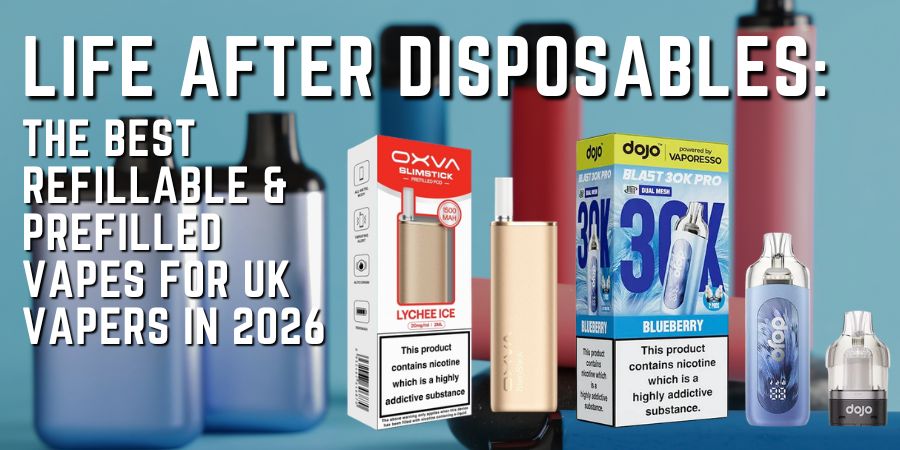
Single-use disposable vapes were banned in the UK from June 2025. This means devices like the original Elf Bar 600, Lost Mary BM600, and SKE Crystal Bar are no longer legally sold. However, rechargeable devices with replaceable or refillable pods are perfectly legal and widely available. If you previously used disposables, the transition to a refillable pod kit is straightforward — our guide on life after disposables covers your best options.
TPD Regulations
The UK follows Tobacco Products Directive (TPD) regulations, which set the framework for legal vape products. Key rules include a maximum nicotine strength of 20mg/ml for nicotine-containing e-liquids, a maximum tank or pod capacity of 2ml, a maximum e-liquid bottle size of 10ml for nicotine-containing liquids (nicotine-free shortfills can be larger), and mandatory child-resistant packaging and health warnings.
Vaping Products Duty — Coming October 2026
A new excise duty on vaping products takes effect in October 2026. This will add duty based on nicotine content, which means e-liquid prices will increase. If you want to understand the full impact, read our detailed UK Vape Tax 2026 guide.
Where Can You Vape in Southampton?
Vaping is not covered by the UK smoking ban, so it’s not illegal to vape indoors. However, most businesses, restaurants, pubs and public buildings have their own policies — and the majority treat vaping the same as smoking, meaning you’ll need to step outside. Southampton General Hospital, the University of Southampton campus, and most council buildings are vape-free zones. West Quay shopping centre and most high street shops do not allow vaping inside.
Outdoor spaces are generally fine. Parks, streets and public open spaces don’t have vaping restrictions, though it’s courteous to be mindful of others around you, especially near children.
Getting Started: Vaping Tips for Southampton Beginners
If you’re new to vaping, the range of products available can feel overwhelming. Here’s a straightforward guide to getting started.
Choosing Your First Device
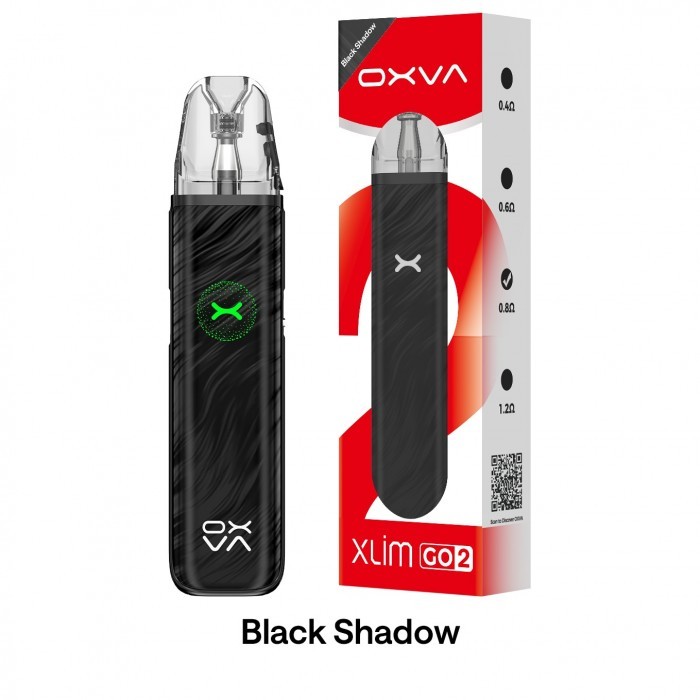
For most beginners, a simple pod kit is the best starting point. These devices are small, easy to use, and don’t require any technical knowledge. Our top recommendation for 2026 is the OXVA Xlim Go 2 — a £15.99 device with a 1500mAh battery, adjustable airflow, and excellent flavour from UniTech 2.0 coils. Read our full OXVA Xlim Go 2 review for the details, or check our Best Vape Starter Kits UK 2026 guide for a full comparison.
Choosing Your E-Liquid
Nicotine salts are the most popular choice for pod kit users, especially those switching from smoking. They deliver smooth, satisfying nicotine without the harsh throat hit of traditional freebase e-liquids. Popular flavours to start with include blueberry sour raspberry, watermelon ice and menthol — though the best approach is to visit a local shop and ask for recommendations based on your taste preferences.
Nicotine Strength Guide
If you smoke 10–20 cigarettes a day, start with 20mg nic salts. If you smoke fewer than 10 a day, 10mg is usually sufficient. You can always adjust — the important thing is finding a strength that satisfies your nicotine cravings enough that you don’t reach for a cigarette.
Free Stop Smoking Support in Southampton & Hampshire
One of Southampton’s greatest advantages for people wanting to quit smoking is the Smoke Free Hampshire programme. This NHS-backed service provides free support to help Hampshire residents quit smoking, and it includes vaping as a recommended quitting tool — reflecting the UK government’s position that vaping is significantly less harmful than smoking.
What Smoke Free Hampshire Offers
Through the programme, eligible residents can access free behavioural support from trained advisors, free nicotine replacement therapy or vaping starter kits, regular check-ins to help you stay on track, and referrals to specialist services if needed.
White Vape Co is an official Smoke Free Hampshire partner. This means our staff can provide information about the programme, help you understand what support is available, and guide you toward the right device and e-liquid to start your smoke-free journey. Visit any of our three stores to learn more — there’s no obligation and no pressure.
The Evidence Behind Vaping for Quitting
The UK has taken a uniquely evidence-based approach to vaping. The Office for Health Improvement and Disparities (OHID, formerly Public Health England) has consistently found that vaping is substantially less harmful than smoking. The NHS actively recommends vaping as a quitting aid, and licensed vaping products are available on prescription from GPs.
For a deeper look at the UK evidence, our Vaping Facts UK guide covers the research, common myths, and what health authorities actually say.
Vaping on a Budget in Southampton
Vaping is significantly cheaper than smoking, but there are ways to make it even more affordable.
A pack-a-day smoker in Southampton spends roughly £4,000–£5,000 per year on cigarettes. Switching to a refillable pod kit brings that down dramatically. The Xlim Go 2 costs £15.99 upfront, replacement pods cost a few pounds per pack and last about a week, and nic salt e-liquids start from under £3 per bottle. Realistically, most vapers spend £15–£25 per month on e-liquid and pods — a saving of over £3,500 per year compared to smoking.
To stretch your budget further, take advantage of multi-buy deals on nic salts, use the VIP rewards programme to earn points on every purchase, consider shortfill e-liquids with nic shots for even better value per ml, and look out for device bundle deals that include everything you need in one package.
Frequently Asked Questions
Where is the nearest vape shop in Southampton?
White Vape Co operates three stores across the Southampton area: Totton (19 Salisbury Road, SO40 3HX), Hythe (39 Hollybank Crescent, SO45 5FZ), and Holbury (81 Long Lane, SO45 2ND). The city centre also has Tidal Vape, Evapo (Marlands), Vapestore (Bargate Street) and others.
Can I vape in Southampton city centre?
You can vape outdoors in Southampton without restriction. However, most indoor venues including pubs, restaurants, shops and public buildings have policies that prohibit vaping inside. Always check with individual venues or step outside to be safe. West Quay, the university campus and NHS buildings are smoke-free and vape-free.
Is there free stop smoking support in Southampton?
Yes — the Smoke Free Hampshire programme provides free support to Hampshire residents who want to quit smoking. This can include free nicotine replacement therapy and vaping starter kits. White Vape Co is an official partner and can provide information about the programme at any of our three stores.
Are disposable vapes still legal in the UK?
No — single-use disposable vapes were banned in June 2025. Rechargeable devices with replaceable or refillable pods are legal and widely available. For guidance on the best alternatives, read our life after disposables guide.
What’s the best vape for beginners in 2026?
We recommend the OXVA Xlim Go 2 — a simple, affordable pod kit with excellent battery life and flavour. Pair it with 20mg nic salts for the best beginner experience. See our full Best Vape Starter Kits UK 2026 guide for more options.
How much does vaping cost compared to smoking?
Vaping costs roughly £15–£25 per month for e-liquid and replacement pods — compared to £350–£450 per month for a pack-a-day smoking habit. The initial device cost is minimal, especially with bundle deals that include everything you need from day one.
What is the UK vape tax?
A new Vaping Products Duty takes effect in October 2026, adding excise duty based on nicotine content to all e-liquids sold in the UK. This will increase prices, but vaping will still be significantly cheaper than smoking. Read our UK Vape Tax 2026 guide for full details.
Visit White Vape Co
Whether you’re taking your first step away from cigarettes, looking for expert advice on the latest devices, or just want to browse the best e-liquids in the Southampton area, our team is here to help. Visit us at any of our three stores, our Totton Vape Shop, Hythe Vape Shop and Holbury Vape Shop, or shop online at online vape store with fast UK delivery.

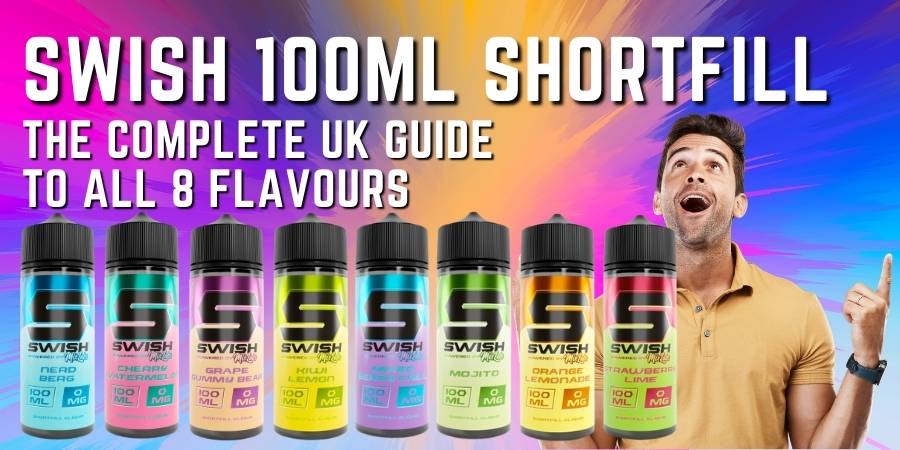
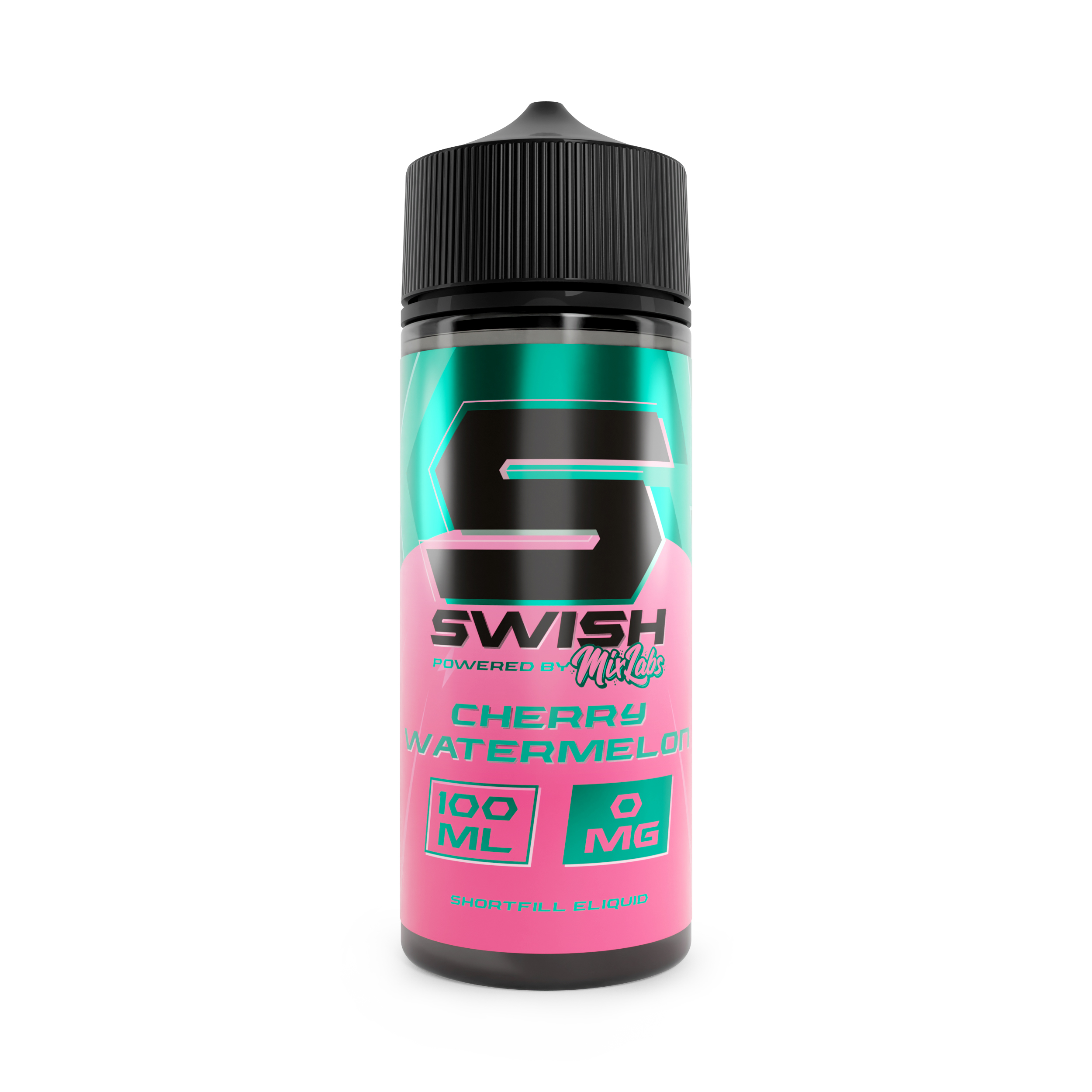 Bold, juicy cherry leads the inhale with a slightly tangy richness, while cool, hydrating watermelon sweeps in on the exhale. The Swish candy finish ties everything together with a polished, rounded sweetness. This is one of the most instantly likeable flavours in the range — a proper summer vape that works all year round. If you enjoy
 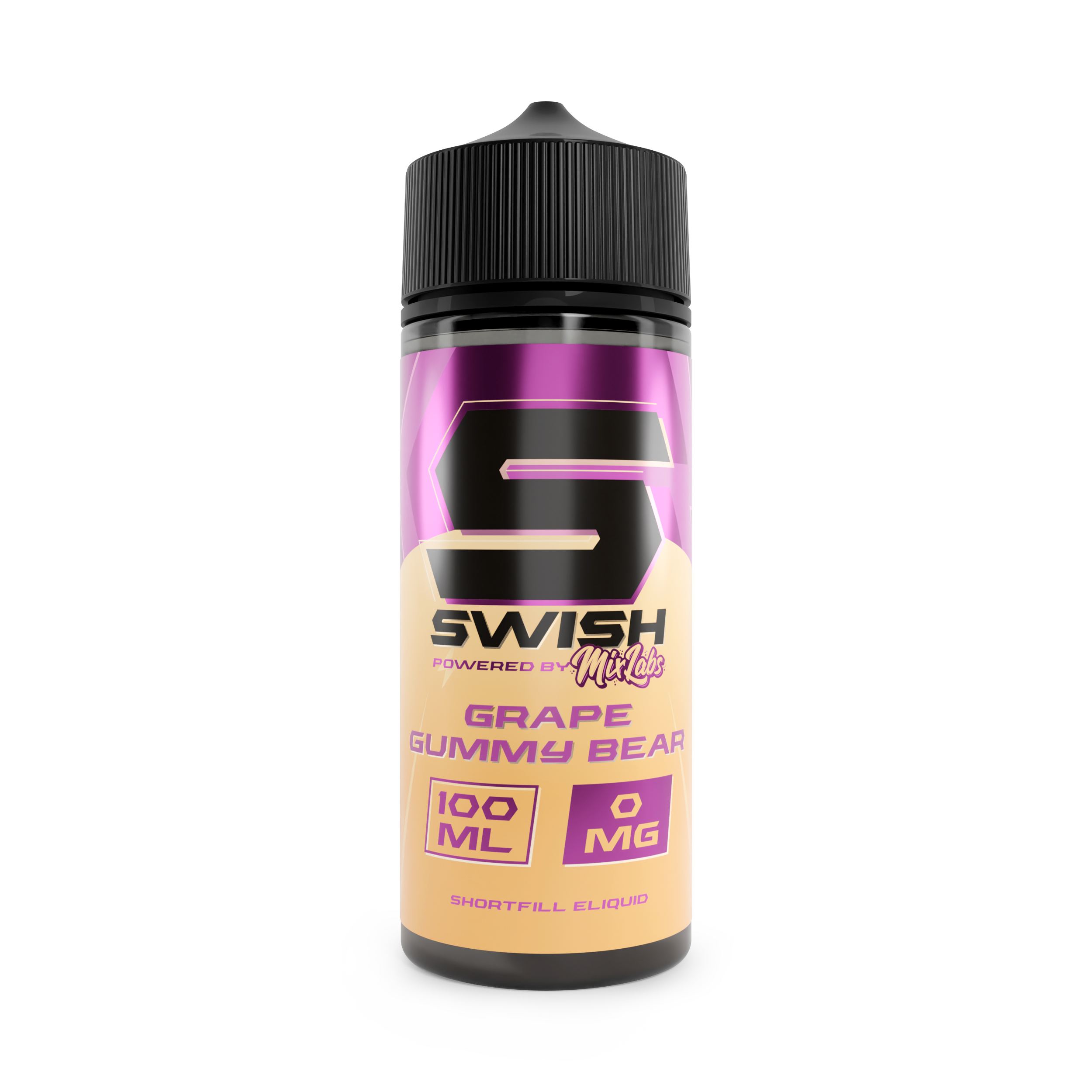 Deep, jammy grape meets chewy gummy bear sweetness in what might be the most indulgent flavour in the Swish lineup. The grape is dark and rich rather than light and floral, giving it real depth and body. The gummy bear element adds that unmistakable soft, sugary sweetness that candy lovers will recognise instantly. A brilliant pick if you’re into
 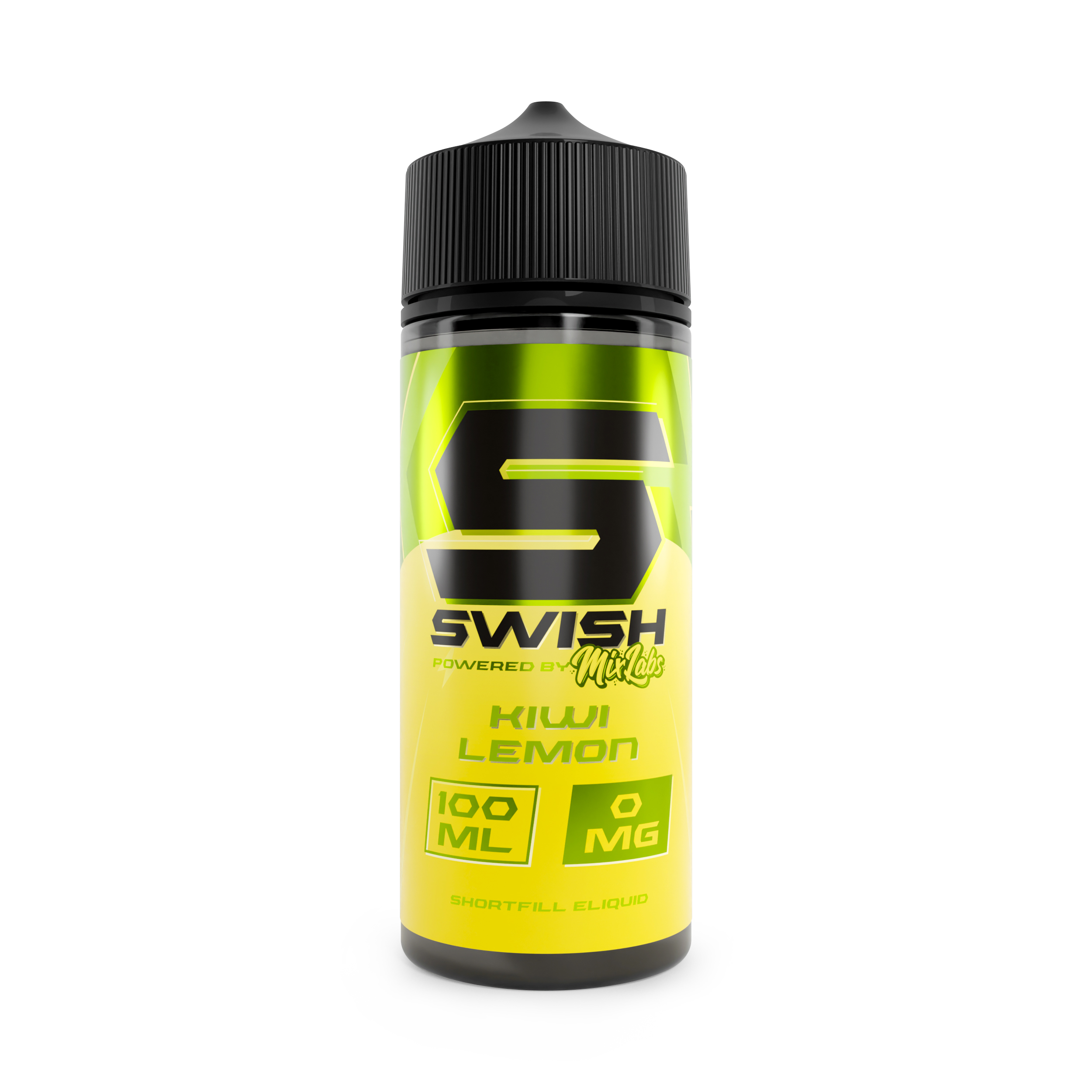 Tangy, tropical kiwi pairs with sharp, zesty lemon for a bright, clean flavour that’s refreshing without being overly sweet. The Swish candy twist adds just enough sweetness to balance the citrus kick, creating a vape that’s lively and moreish. One of the most refreshing options in the range and a great choice for fans of
 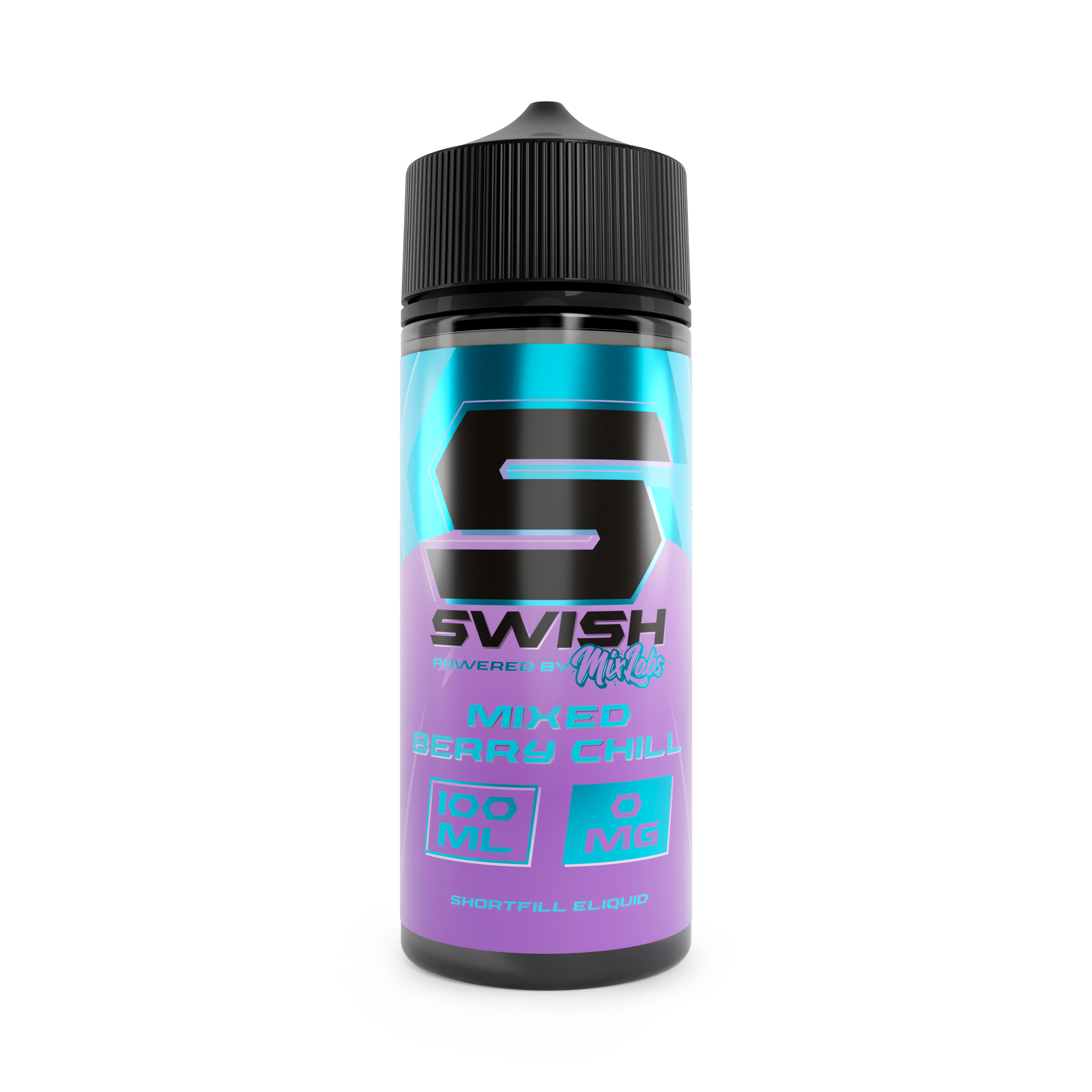 A medley of ripe berries — strawberry, blueberry, and raspberry — blended with a cool menthol finish. The berry blend is sweet and natural-tasting, while the ice element provides a clean, refreshing edge without overpowering the fruit. If you’ve transitioned from menthol disposables and miss that cooling sensation, this delivers it alongside genuine berry depth. Browse more
 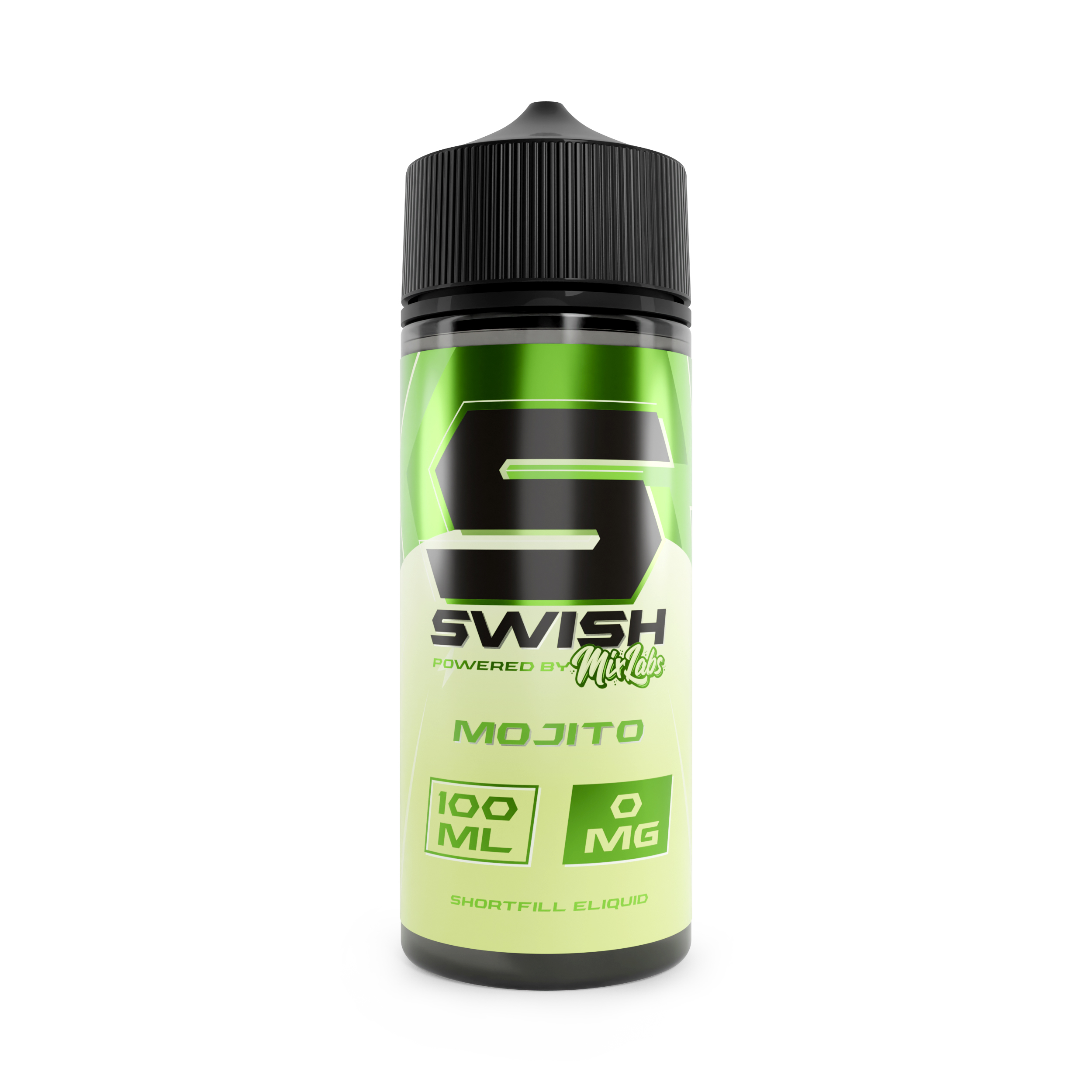 Fresh mint, zesty lime, and a subtle sweetness combine to recreate the classic cocktail in vapour form. The mint is cooling and aromatic rather than harsh, and the lime adds a sharp, citrusy brightness that keeps things interesting. The Swish candy finish rounds it all off with a smooth, polished sweetness. A standout for fans of
 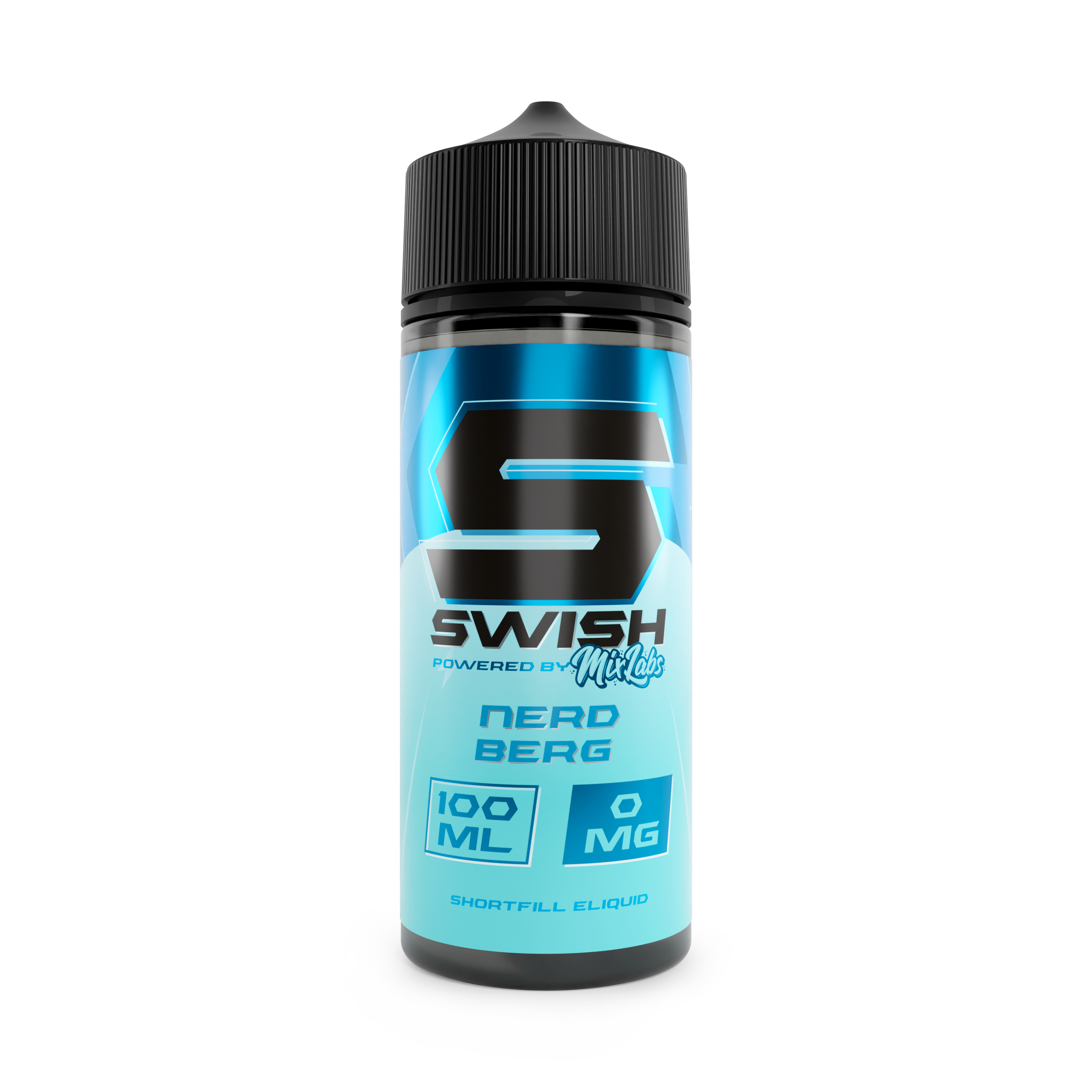 Tangy rainbow candy meets cool menthol in what’s essentially a Heisenberg-style vape with the Swish candy-coated treatment. The fizzy fruit sweetness on the inhale is bold and complex, while the menthol coolness on the exhale delivers a refreshing finish. If you’re a fan of Heisenberg-style e-liquids but want something with a bit more character and creativity, Nerd Berg Swish is worth a try.
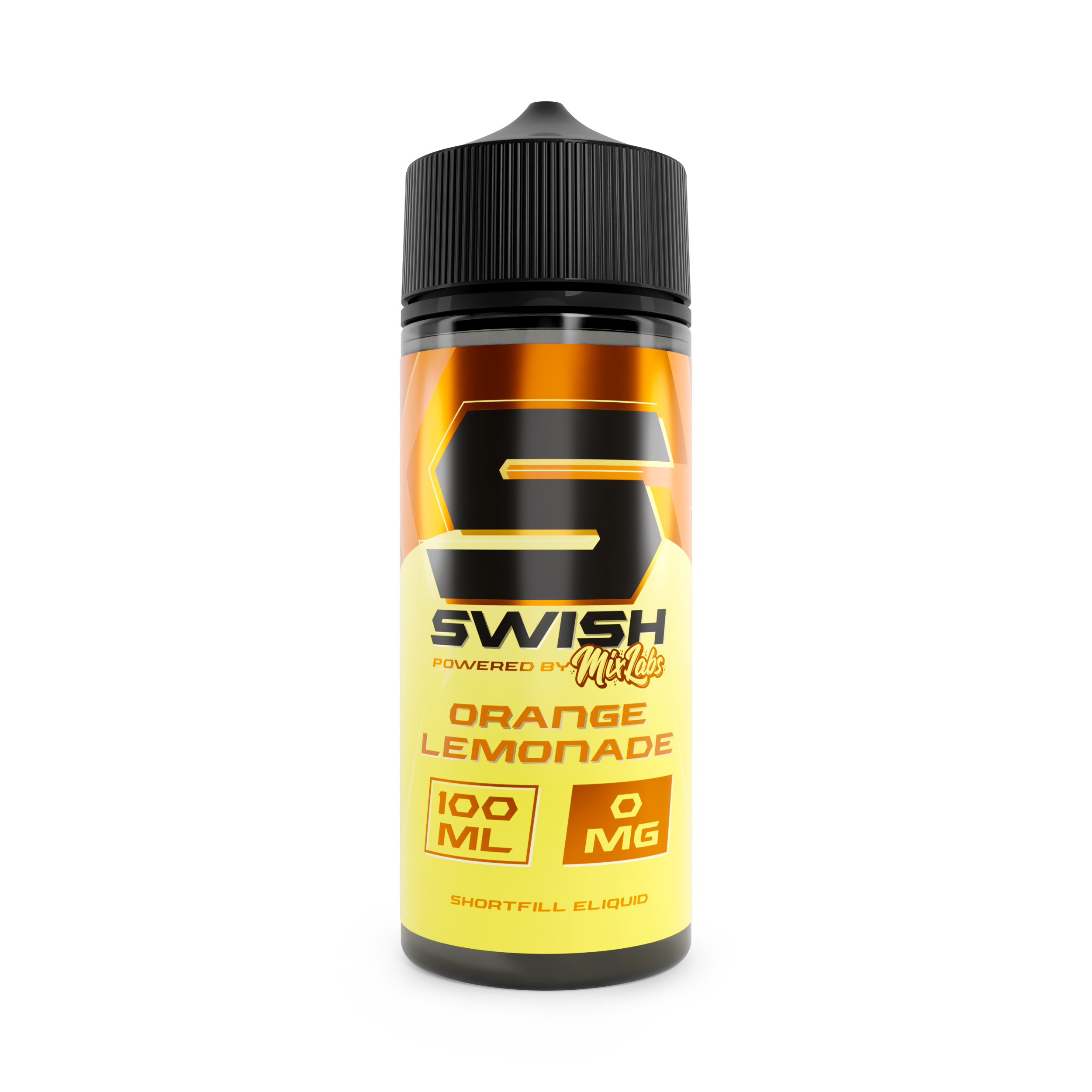 Bright, tangy orange bursts through on the inhale with genuine citrus depth, while fizzy lemonade sparkles on the exhale with an effervescent quality that lifts the entire blend. It’s like sipping an ice-cold glass of fresh orange lemonade — refreshing, sweet enough to satisfy, but with enough citrus sharpness to stop it feeling cloying. Another brilliant option for
 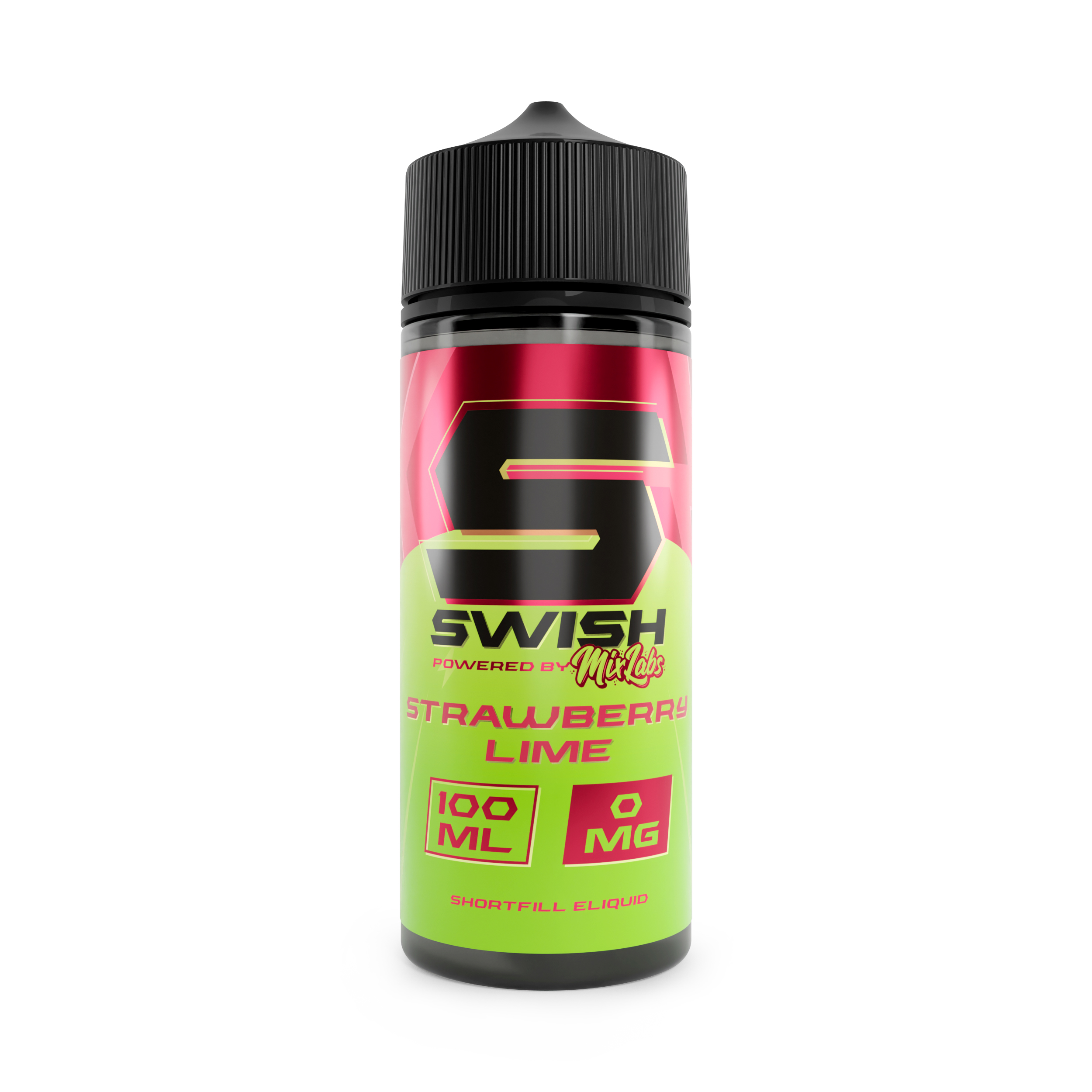 Sweet, ripe strawberry pairs with sharp, zesty lime in a flavour that’s both fruity and refreshing. The strawberry provides a soft, natural sweetness on the inhale, while the lime cuts through with a clean, tangy edge that prevents it from becoming one-dimensional. The candy twist rounds everything off into a smooth, satisfying all-day vape. A crowd-pleaser that’s hard not to like.