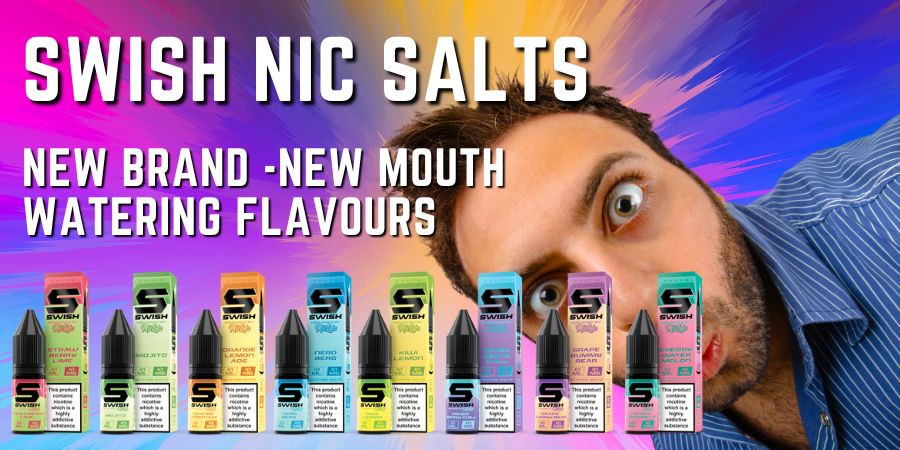
Swish Nic Salts by Mix Labs: The New 2026 Range – All initial 8 Flavours Reviewed
If you vaped disposables before the UK ban, chances are you’ve already tasted Mix Labs without even knowing it. Their e-liquids became the go-to choice for thousands of vapers looking to recreate those bold, punchy disposable flavours in a refillable system. The original Mix Labs nic salt range built a reputation for flavour accuracy, smooth delivery, and premium UK-made quality that left competitors playing catch-up.
Now, Mix Labs have raised the bar again with Swish — a brand new nic salt range that takes everything great about the original line and pushes it further. More creative flavour combinations, the same silky-smooth nicotine salt formulation, and a signature candy-coated twist that gives every flavour an extra layer of depth and sweetness. Swish isn’t just another nic salt range — it’s Mix Labs showing exactly why they’re one of the most trusted names in UK vaping.
At White Vape Co, we’ve been stocking Mix Labs since the early days, and we’re proud to be among the first UK retailers to bring the full Swish range to our customers. Whether you shop online or visit our stores in Hythe, Totton, or Holbury, you can try every Swish flavour today.
What Is Swish by Mix Labs?
Swish is the latest nic salt collection from Mix Labs, the UK brand that became famous for producing some of the most accurate disposable-inspired e-liquids on the market. While the original Mix Labs range focused on faithfully recreating classic disposable flavours like Blueberry, Watermelon Ice, and Kiwi Passionfruit Guava, Swish takes a different approach.
Every Swish flavour features a signature candy-coated twist that adds an extra dimension of sweetness and smoothness to the blend. Think of it as the difference between a good cocktail and a great one — the base ingredients are premium, but there’s something extra that ties everything together and makes you want to come back for more. That “something extra” is the Swish element: a subtle, polished candy sweetness that rounds out each flavour profile beautifully.
Key Specs at a Glance
| Feature | Details |
|---|---|
| Brand | Swish by Mix Labs |
| Bottle Size | 10ml |
| Nicotine Type | Nicotine Salt |
| Nicotine Strengths | 10mg, 20mg (5mg expected soon) |
| VG/PG Ratio | 50/50 |
| Made In | Europe |
| Number of Flavours | 8 |
| Best For | Pod kits, MTL devices, ex-disposable users |
| TPD Compliant | Yes |
Why Mix Labs? The Brand Behind Swish
Before we dive into the individual flavours, it’s worth understanding why Mix Labs matters. When the UK disposable vape ban came into effect in June 2025, millions of vapers were suddenly looking for alternatives. They wanted the same intense, satisfying flavours they’d grown to love from devices like Elf Bar, Lost Mary, and Crystal Bar — but in a refillable, legal, and more cost-effective format.
Mix Labs had already anticipated this shift. Their original nic salt range was specifically designed to help disposable users transition to refillable pod kits, and they nailed it. The flavours were spot-on, the nicotine delivery was smooth and satisfying, and the 50/50 VG/PG ratio meant they worked perfectly in every pod system on the market.
What set Mix Labs apart from the flood of “bar salt” brands was consistency and quality. Every bottle tasted the same. The e-liquid had a slightly thicker, more refined texture that reduced leaking in pod systems. And crucially, Mix Labs was blending in the UK (and Europe) with premium ingredients, not cutting corners with cheap imports. That attention to quality earned them a loyal following that keeps growing — and Swish is the next evolution of that reputation.
The Complete Swish Flavour Range
The Swish range launches with eight carefully crafted flavours. Each one combines bold, recognisable flavour profiles with the signature Swish candy twist. Here’s our breakdown of every flavour in the lineup:
Cherry Watermelon Swish nic salts
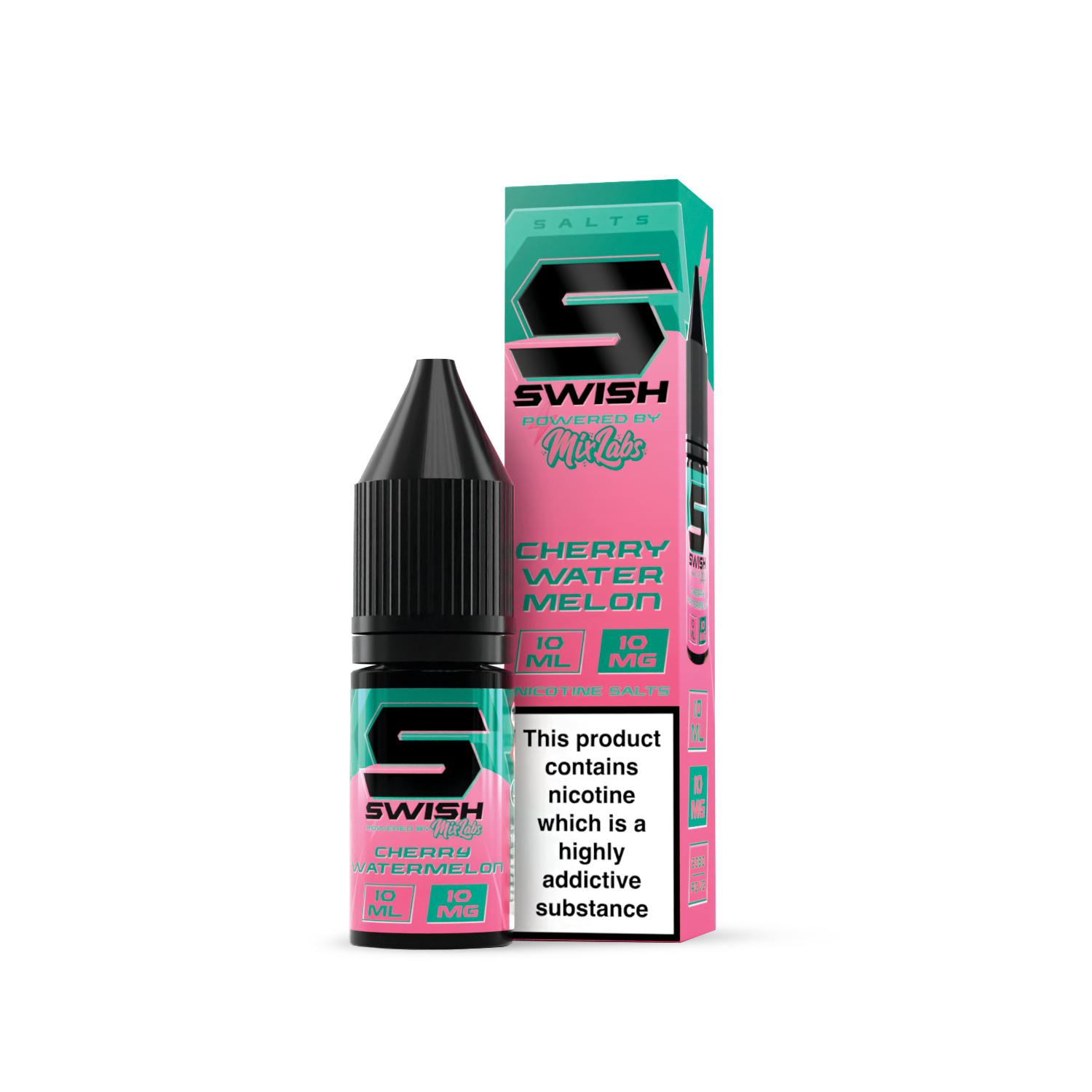
A summer classic reimagined. Sweet, ripe cherries meet juicy watermelon in a blend that’s refreshing, fruity, and effortlessly smooth. The cherry brings depth and richness on the inhale, while the watermelon opens everything up with its light, hydrating sweetness on the exhale. The Swish candy finish ties the two fruits together with a polished, rounded sweetness that makes this an easy all-day vape. If you loved cherry or watermelon disposables, this takes that concept to the next level.
Grape Gummy Bear Swish nic salts
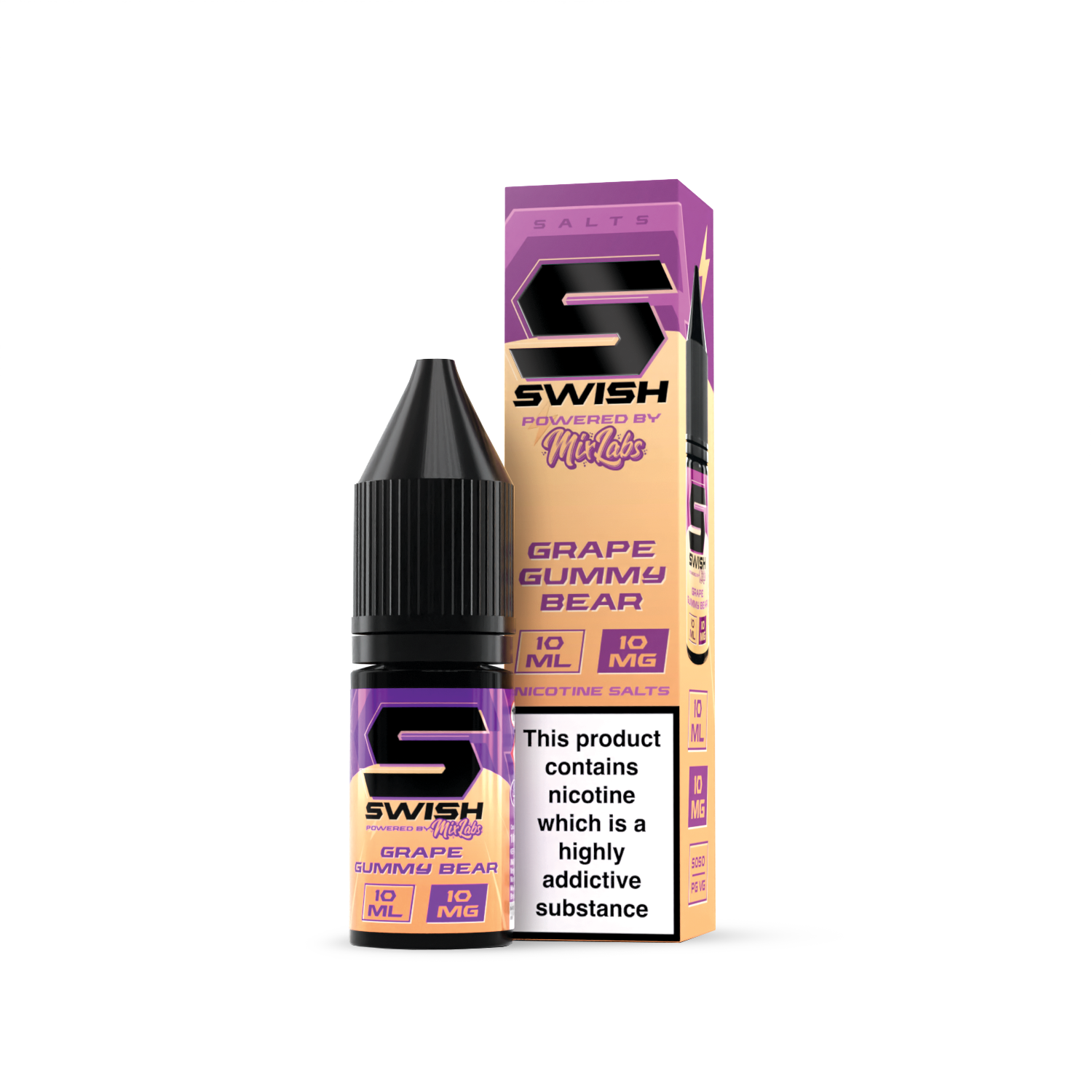
This one is for the sweet-tooth vapers. Imagine biting into a perfectly ripe grape gummy bear — that’s the flavour profile here. Rich, dark grape flavour dominates with a bold, almost jammy sweetness, while the gummy bear element adds a chewy, candy-shop quality that’s playful and indulgent. The Swish twist enhances the candy dimension even further, creating a flavour that’s unashamedly sweet but never sickly. It’s fun, bold, and incredibly moreish.
Kiwi Lemon Swish nic salts
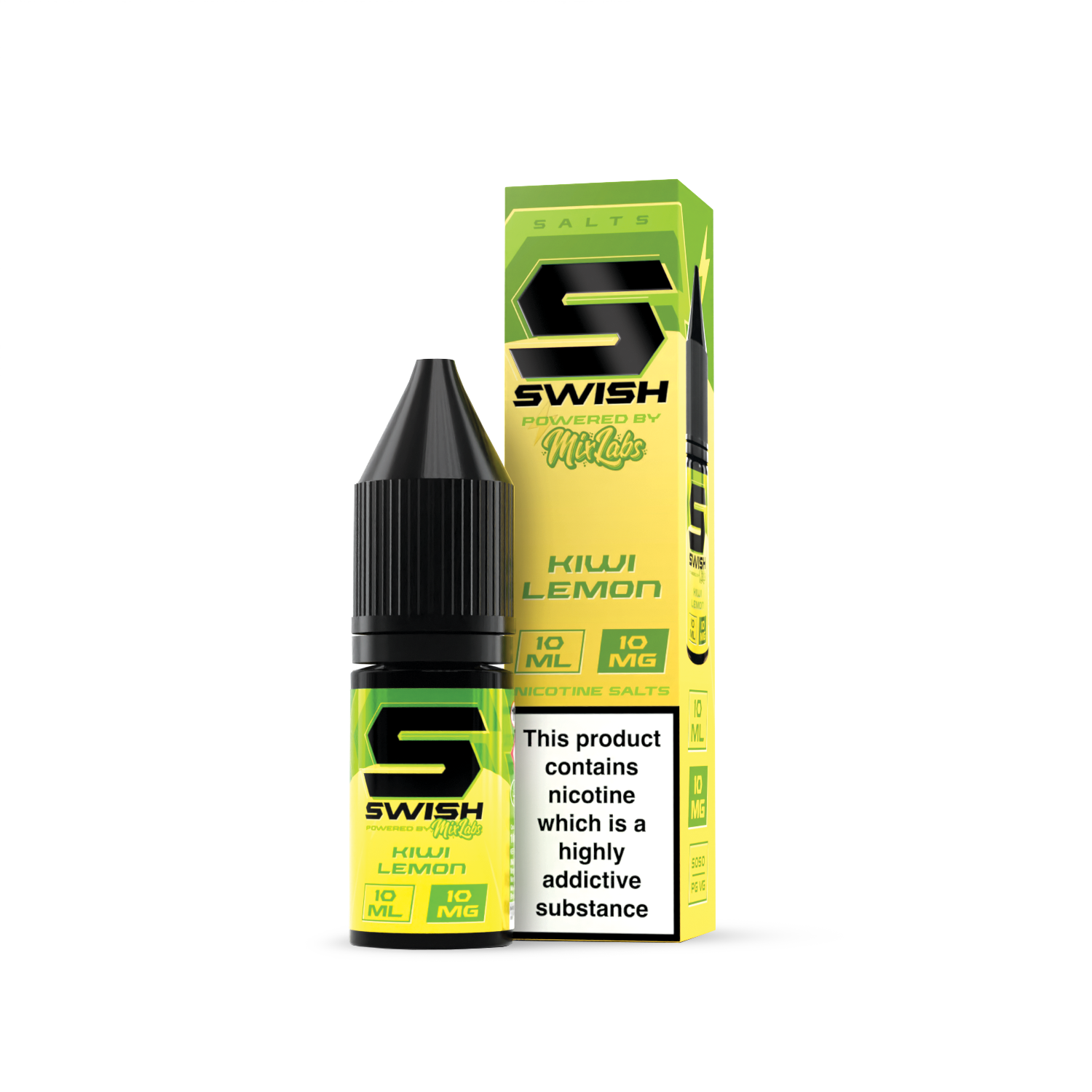
A sharp, tangy pairing that delivers serious flavour punch. The kiwi provides a sweet, slightly tart base that’s both fruity and exotic, while the lemon cuts through with bright, zesty citrus notes that keep things feeling fresh and lively. This is one of those flavours that wakes up your taste buds with every puff. The Swish candy element softens the citrus bite just enough to keep it smooth and enjoyable all day, without losing any of the zingy character that makes this combination work so well.
Mixed Berry Chill Swish nic salts
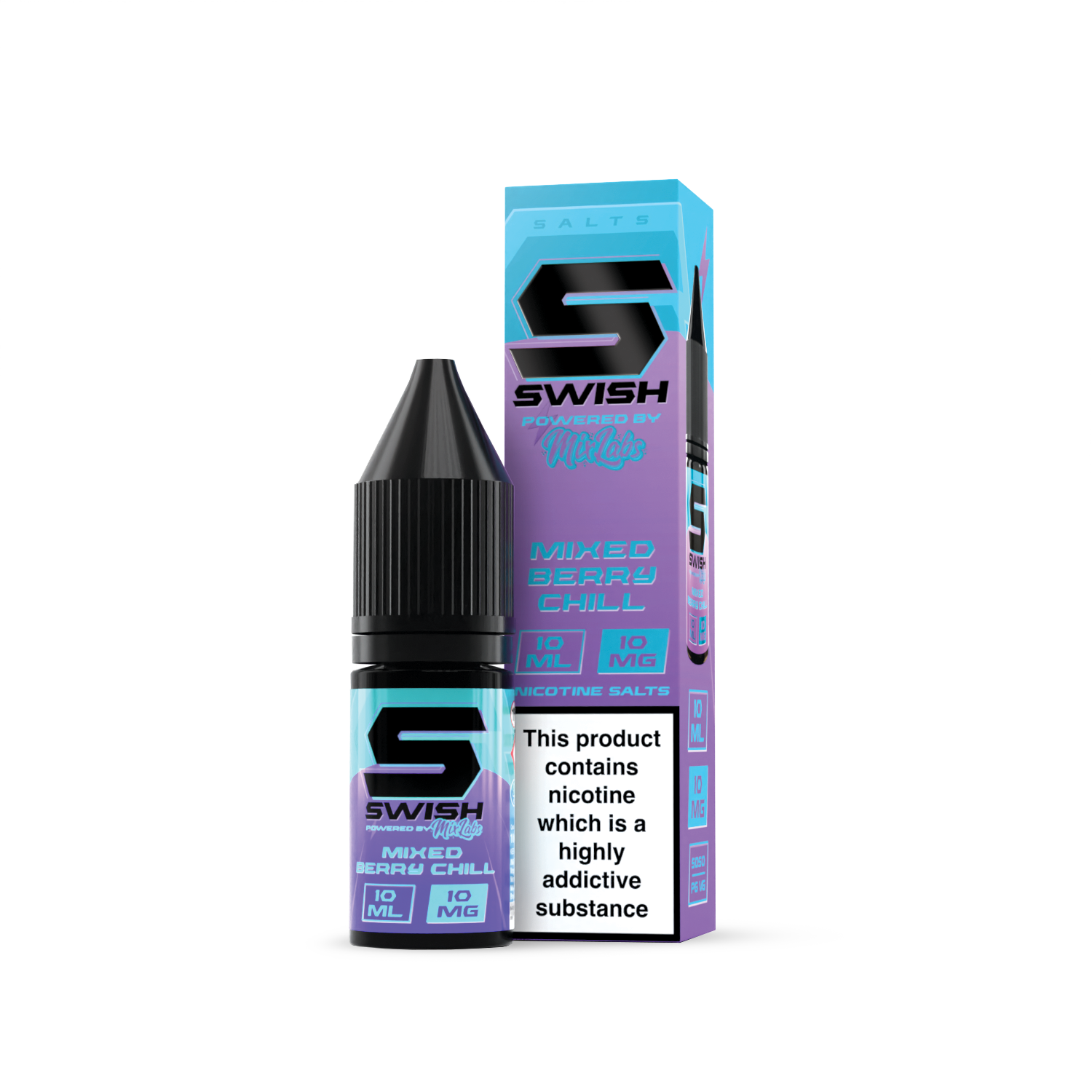
Mixed berry blends are a staple in vaping for good reason — they’re versatile, satisfying, and universally loved. Mix Labs’ take combines a medley of sweet and tart berries with a cooling menthol finish that adds an extra dimension of refreshment. Strawberries, blueberries, and raspberries layer together to create a complex, fruity base, while the chill element provides a clean, icy exhale that lingers pleasantly. The Swish candy twist adds warmth and sweetness that balances the cool perfectly. This is the flavour to reach for when you want something that does it all.
Mojito Swish nic salts
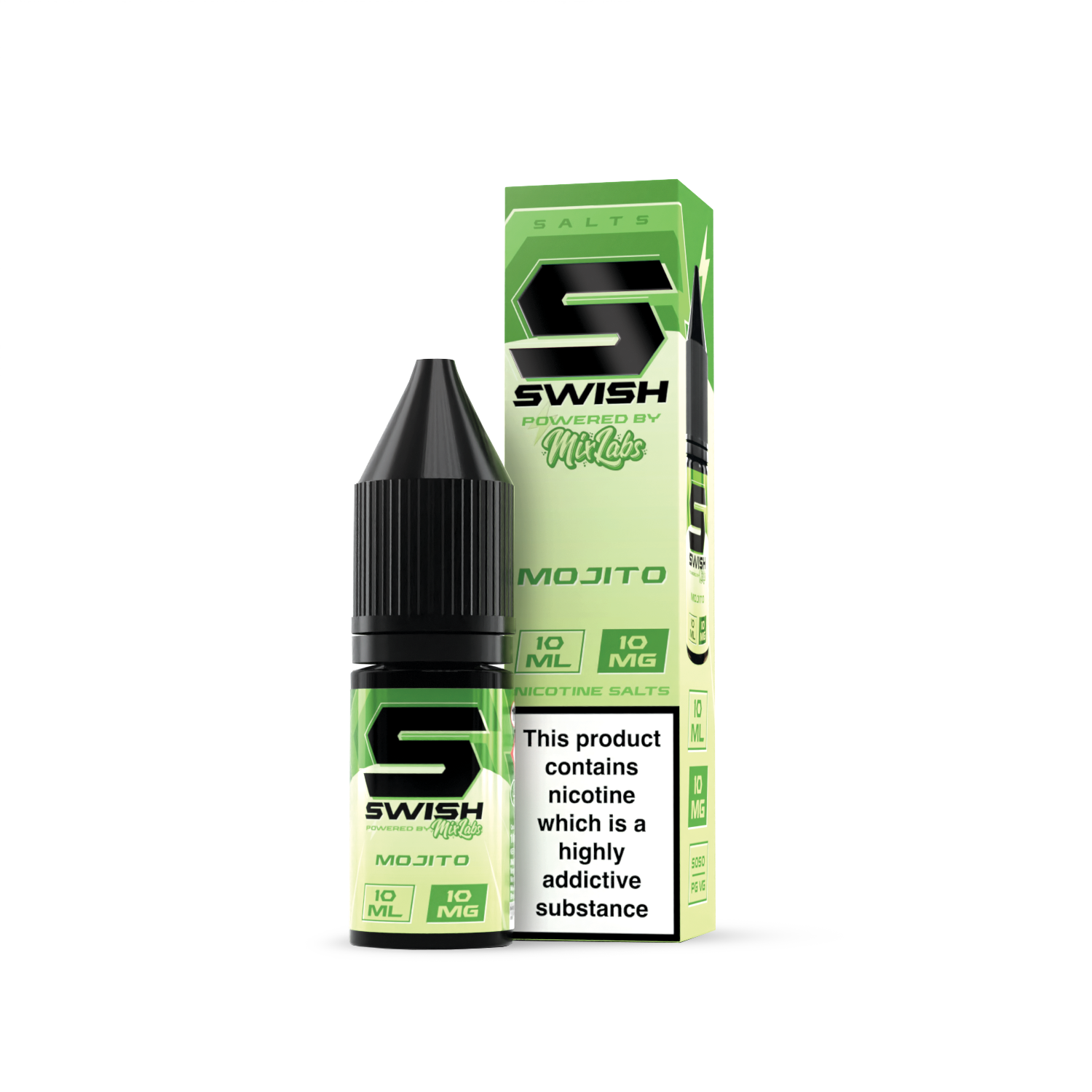
Cocktail-inspired vapes are having a moment, and this is one of the best we’ve tried. Bright, zesty lime takes the lead, delivering a sharp citrus hit that’s instantly refreshing. Cool mint leaves follow, adding that authentic mojito freshness that makes this flavour feel sophisticated and invigorating. The Swish candy twist is particularly well-suited here, acting like the sugar rim on a cocktail glass — it rounds out the tartness and adds a smooth, sweet finish that makes every puff feel like a treat. If you’re looking for something different from the usual fruit blends, Mojito Swish is a standout.
Nerd Berg Swish nic salts
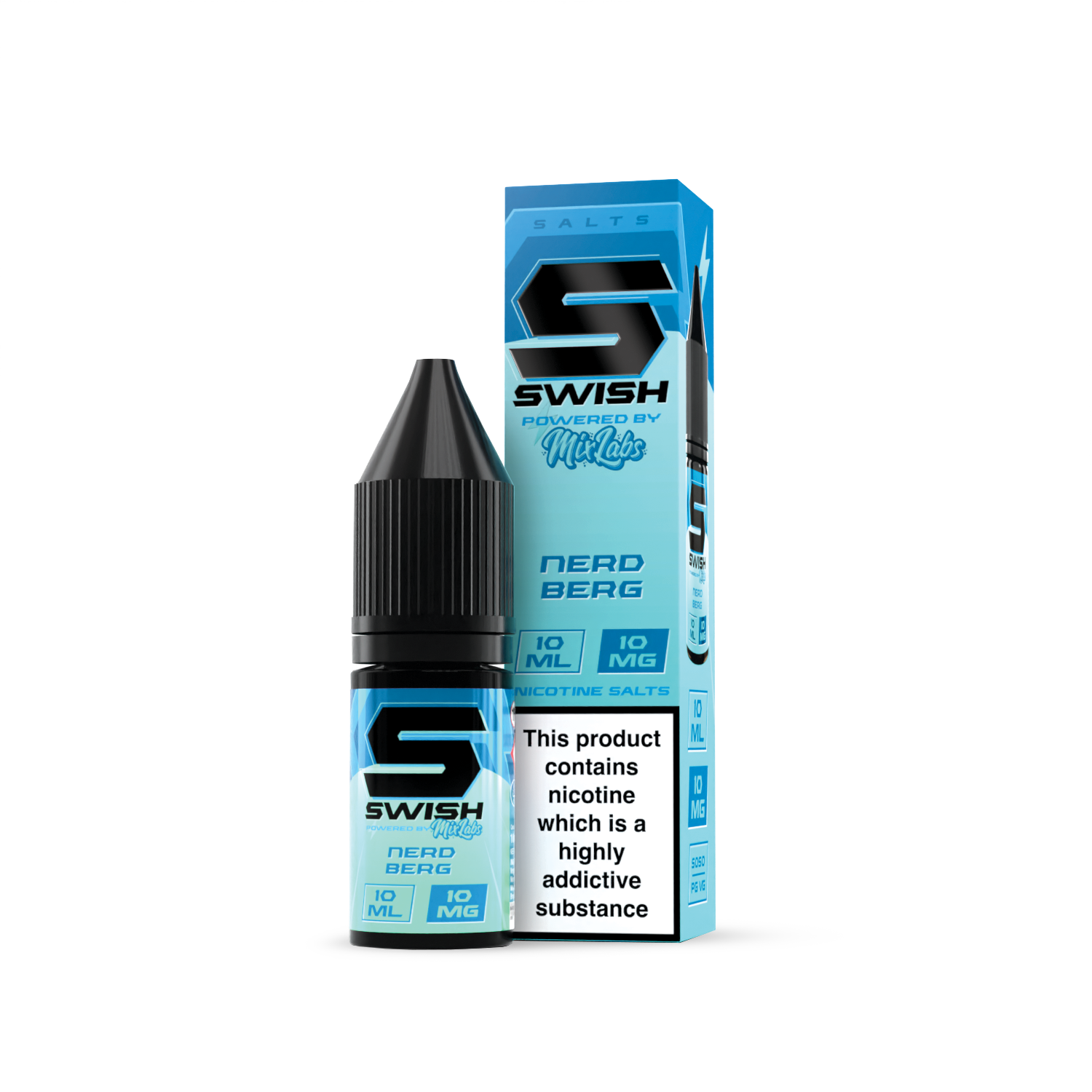
The name gives it away — this is a sweet, tangy candy flavour inspired by those iconic crunchy, colourful sweets we all grew up eating. It’s a vibrant, multi-layered blend of sweet and sour notes with a berry undertone that keeps things interesting. There’s a fizzy, almost effervescent quality to the flavour that makes it feel lively and exciting on the palate. The Swish twist amplifies the candy character, creating a flavour that’s bold, playful, and packed with personality. If you love sweet vapes with a bit of tang, Nerd Berg is going to become a firm favourite.
Orange Lemonade Swish nic salts
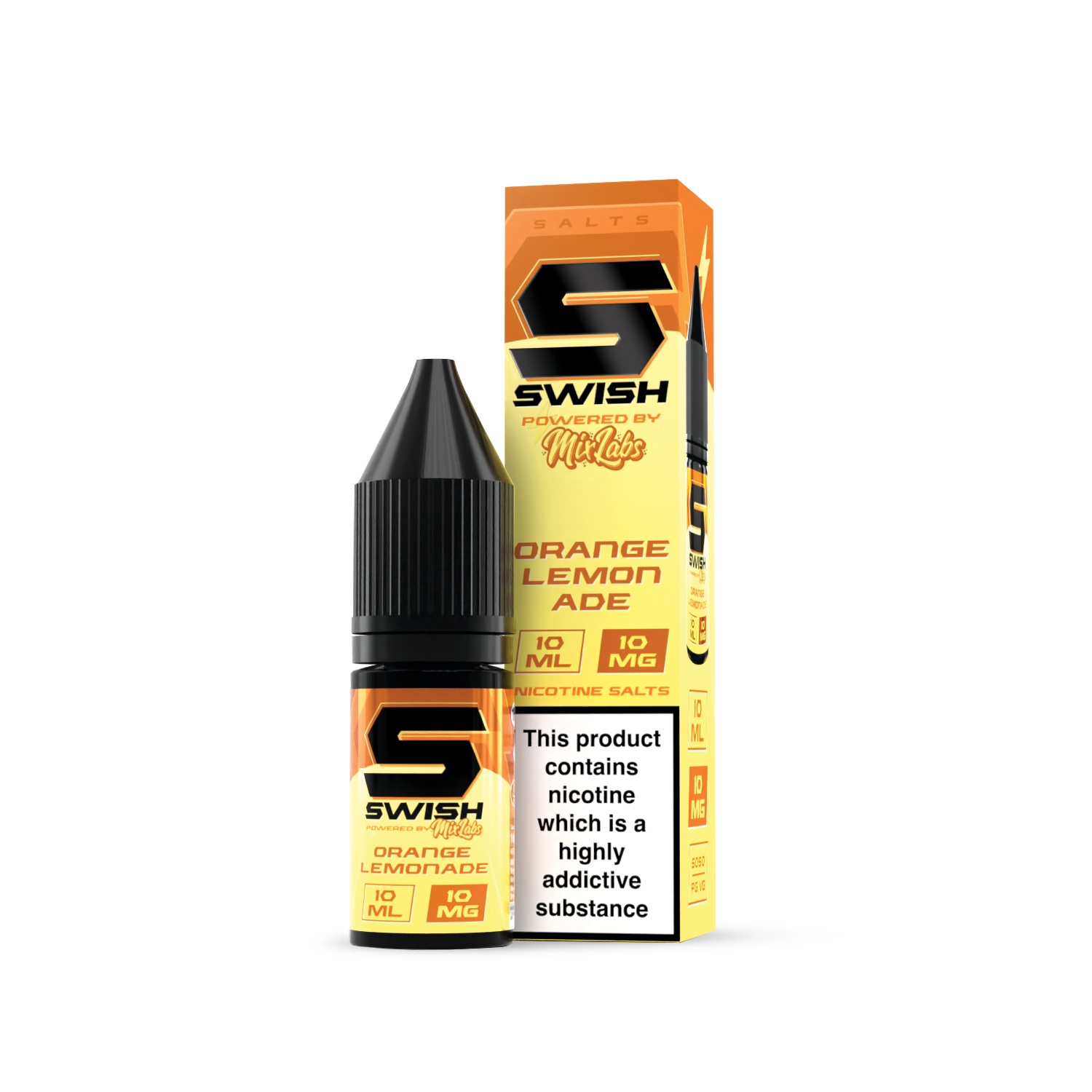
Think of cracking open a cold bottle of sparkling orange lemonade on a hot day — that’s the vibe here. Sweet, juicy orange dominates the inhale with its bright, sunny citrus flavour, while tangy lemonade notes come through on the exhale with a fizzy, refreshing quality. It’s a clean, crisp flavour that feels light and uplifting without being overly sweet. The Swish candy finish adds just enough sweetness to smooth everything out and give it that polished, premium feel. This is a perfect summer flavour, but honestly, it’s good enough to enjoy year-round.
Strawberry Lime Swish nic salts
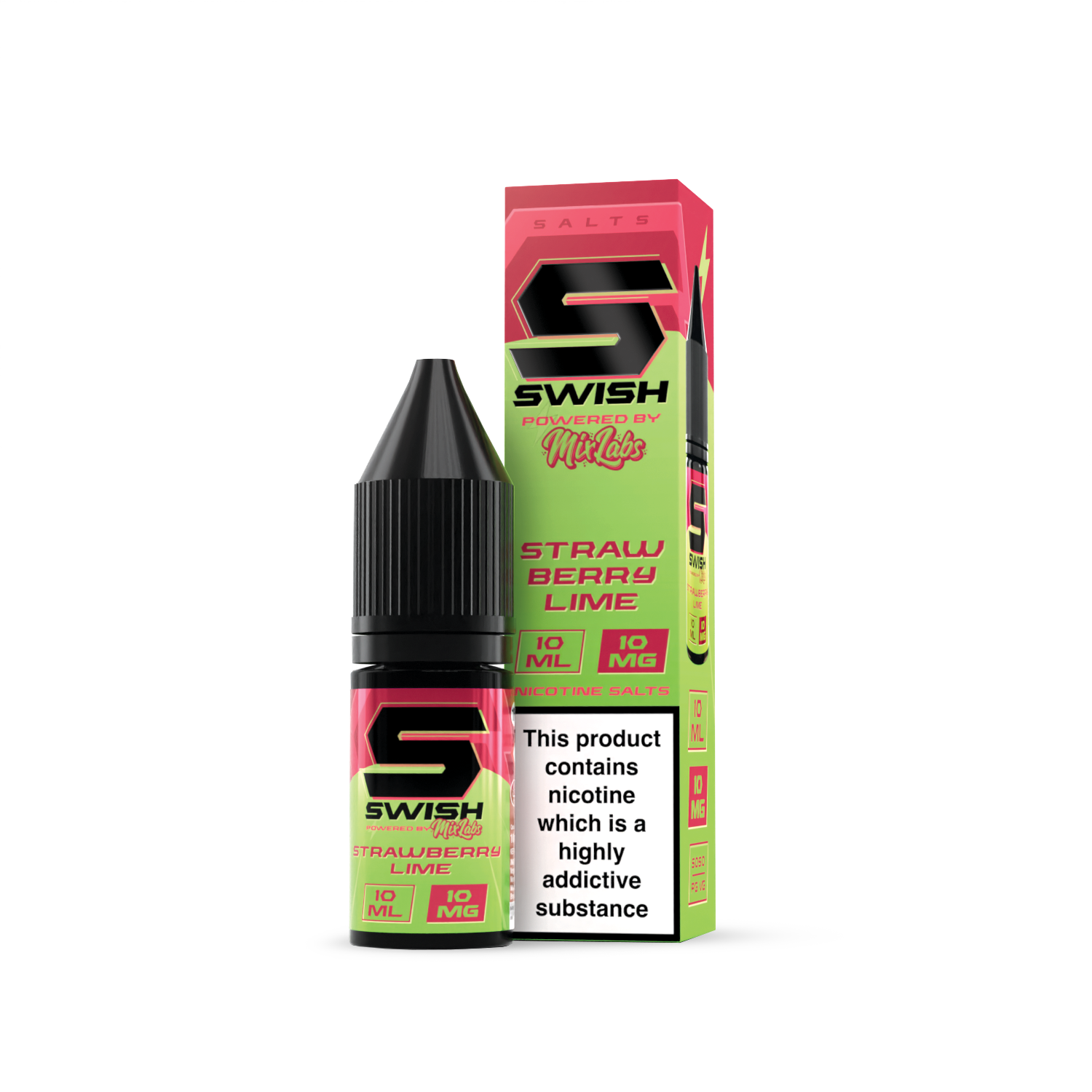
A fruity, zesty combination that delivers both sweetness and sharpness in equal measure. Ripe, juicy strawberries provide a familiar, comforting sweetness that’s instantly satisfying, while lime adds a tart, citrusy edge that lifts the entire profile and keeps it from becoming one-dimensional. The two flavours complement each other brilliantly, with the strawberry softening the lime and the lime adding brightness to the strawberry. The Swish candy twist enhances the strawberry’s sweetness while preserving the lime’s sharpness, creating a perfectly balanced blend that’s refreshing, fruity, and dangerously easy to vape all day.
What Makes Swish Different from the Original Mix Labs Range?
If you’re already a fan of Mix Labs nic salts, you might be wondering what makes Swish worth trying. Here’s how the two lines compare:
| Feature | Original Mix Labs | Swish by Mix Labs |
|---|---|---|
| Flavour Style | Faithful disposable recreations | Creative blends with candy twist |
| Number of Flavours | 30+ | 8 (launch range) |
| Flavour Approach | Single-note and classic combos | Complex, multi-layered profiles |
| Signature Element | Disposable-accurate flavour | Candy-coated Swish finish |
| VG/PG | 50/50 | 50/50 |
| Strengths | 5mg, 10mg, 20mg | 10mg, 20mg (5mg expected soon) |
| Best For | Ex-disposable users wanting familiar flavours | Vapers wanting something new and creative |
The key difference is intent. The original range was built to replace disposables with identical flavours. Swish is built to excite — to give vapers who’ve already made the switch to refillables something fresh, creative, and different to look forward to. They’re not competing with each other; they complement each other perfectly.
Which Swish Flavour Should You Try First?
With eight flavours to choose from, picking your first Swish can feel overwhelming. Here’s our quick guide based on what you usually enjoy:
If you love fruity vapes: Start with Cherry Watermelon or Strawberry Lime. Both are crowd-pleasers with familiar fruit profiles elevated by the Swish twist.
If you prefer something cool and refreshing: Mixed Berry Chill delivers that icy hit alongside its berry blend, while Mojito offers cooling mint with zesty citrus.
If you like sweet and candy-style flavours: Grape Gummy Bear and Nerd Berg are made for you. Bold, unapologetically sweet, and packed with candy character.
If you enjoy drinks-inspired flavours: Orange Lemonade and Mojito capture refreshing beverage profiles with impressive authenticity.
If you want the best value: Grab 4 for £12 with our multi-buy deal and try a selection across the range. That’s just £3 per bottle for premium nic salt e-liquid.
Best Devices for Swish Nic Salts
Like all 50/50 nic salts, Swish is designed for low-wattage, mouth-to-lung (MTL) vaping. Here are some of our recommended devices that pair perfectly with the range:
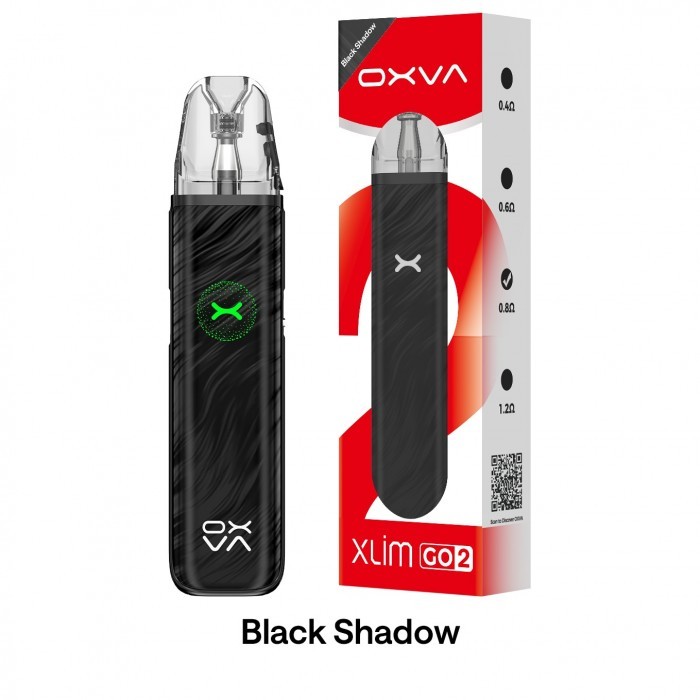
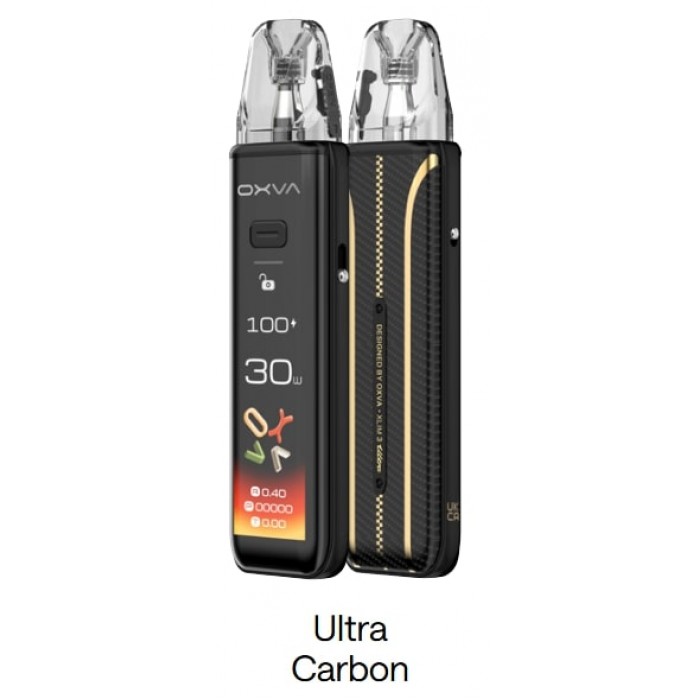
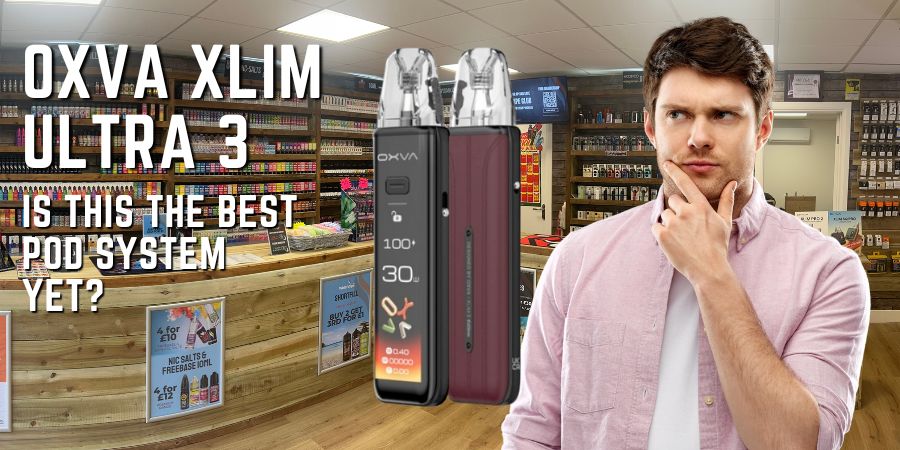
The OXVA Xlim Go 2 is one of our top picks — it’s compact, reliable, and delivers excellent flavour from nic salts. The adjustable airflow lets you fine-tune your draw, and the 1000mAh battery means you’ll get a full day’s use from a single charge. For something with a bit more versatility, the OXVA Xlim 3 Ultra offers adjustable wattage and a larger battery, making it ideal for vapers who want more control over their experience.
If you’re completely new to refillable vaping and looking for the simplest possible setup, the Aspire PockeX Box Kit is a fantastic entry point. Fill it with your chosen Swish flavour, and you’re ready to go — no settings to adjust, no buttons to press.
Need help choosing a device? Our team at White Vape Co can match you with the perfect kit. As official Smoke Free Hampshire partners, we specialise in helping people find the right setup for their needs.
Swish Nic Salts: Pricing & Value
Swish by Mix Labs is available at White Vape Co at the following prices:
| Quantity | Price | Per Bottle |
|---|---|---|
| 1 bottle | £3.99 | £3.99 |
| 4 bottles | £12.00 | £3.00 |
| 10 bottles | £28.00 | £2.80 |
To put that in perspective, a single 10ml bottle of nic salt provides the equivalent satisfaction of approximately 5 disposable vapes. At £2.80 per bottle on the 10-bottle deal, that’s extraordinary value compared to any alternative on the market.
Frequently Asked Questions
What is Swish by Mix Labs?
Swish is a new nic salt range from Mix Labs, the UK brand famous for producing some of the best disposable-inspired e-liquids on the market. The Swish range features eight creative flavour combinations, each with a signature candy-coated twist that adds extra sweetness and depth to the blend.
What flavours do Swish nic salts come in?
The Swish launch range includes eight flavours: Cherry Watermelon, Grape Gummy Bear, Kiwi Lemon, Mixed Berry Chill, Mojito, Nerd Berg, Orange Lemonade, and Strawberry Lime. Each flavour features the signature Swish candy twist that sets this range apart from the original Mix Labs collection.
What nicotine strengths are Swish nic salts available in?
Swish nic salts are currently available in 10mg and 20mg nicotine strengths, with a 5mg option expected to follow soon. We recommend 20mg for heavy smokers or those transitioning from disposables, and 10mg for moderate smokers or those looking for a slightly lighter experience.
What devices work best with Swish nic salts?
Swish nic salts have a 50/50 VG/PG ratio, making them ideal for pod kits, vape pens, and other low-wattage MTL (mouth-to-lung) devices. They are not suitable for sub-ohm or high-powered devices. We recommend kits like the OXVA Xlim Go 2 or Aspire PockeX Box Kit for the best experience.
How is Swish different from regular Mix Labs nic salts?
The original Mix Labs range focuses on faithfully recreating popular disposable vape flavours. Swish takes a more creative approach, combining unique flavour pairings with a signature candy-coated twist. Both ranges share the same premium quality and smooth nic salt formulation, but Swish offers more adventurous, multi-layered flavour profiles.
Are Swish nic salts made in the UK?
Swish nic salts are produced in Europe under strict quality and safety standards by Mix Labs. All products are fully TPD compliant, MHRA notified, and feature childproof caps and tamper-evident seals as required by UK regulations.
Where can I buy Swish nic salts?
You can buy the full Swish by Mix Labs range right here at White Vape Co — both online with fast UK delivery and in-store at our Hythe, Totton, and Holbury locations in Southampton.
Can I mix and match Swish with other nic salts in the multi-buy deal?
Yes! Our 4 for £12 multi-buy deal applies across the Swish range, so you can mix and match any combination of flavours and strengths to find your favourites.
Shop the Full Swish by Mix Labs Range
Ready to try the newest nic salt range from one of the UK’s most trusted e-liquid brands? Browse the complete Swish collection below and take advantage of our multi-buy deals:
- Cherry Watermelon Swish
- Grape Gummy Bear Swish
- Kiwi Lemon Swish
- Mixed Berry Chill Swish
- Mojito Swish
- Nerd Berg Swish
- Orange Lemonade Swish
- Strawberry Lime Swish
Looking for the original Mix Labs range instead? Browse our full nic salt collection with over 30 flavours to choose from.
Need personalised advice? Our expert team at White Vape Co stores in Southampton are always happy to help. As official Smoke Free Hampshire partners, we’re committed to helping you find the perfect vape for your smoke-free journey.
This guide was written by the team at White Vape Co, Southampton’s trusted vape shop since 2018. Prices and availability correct at time of publication.